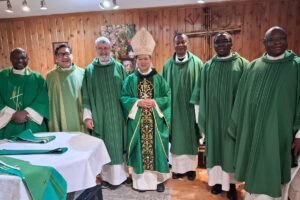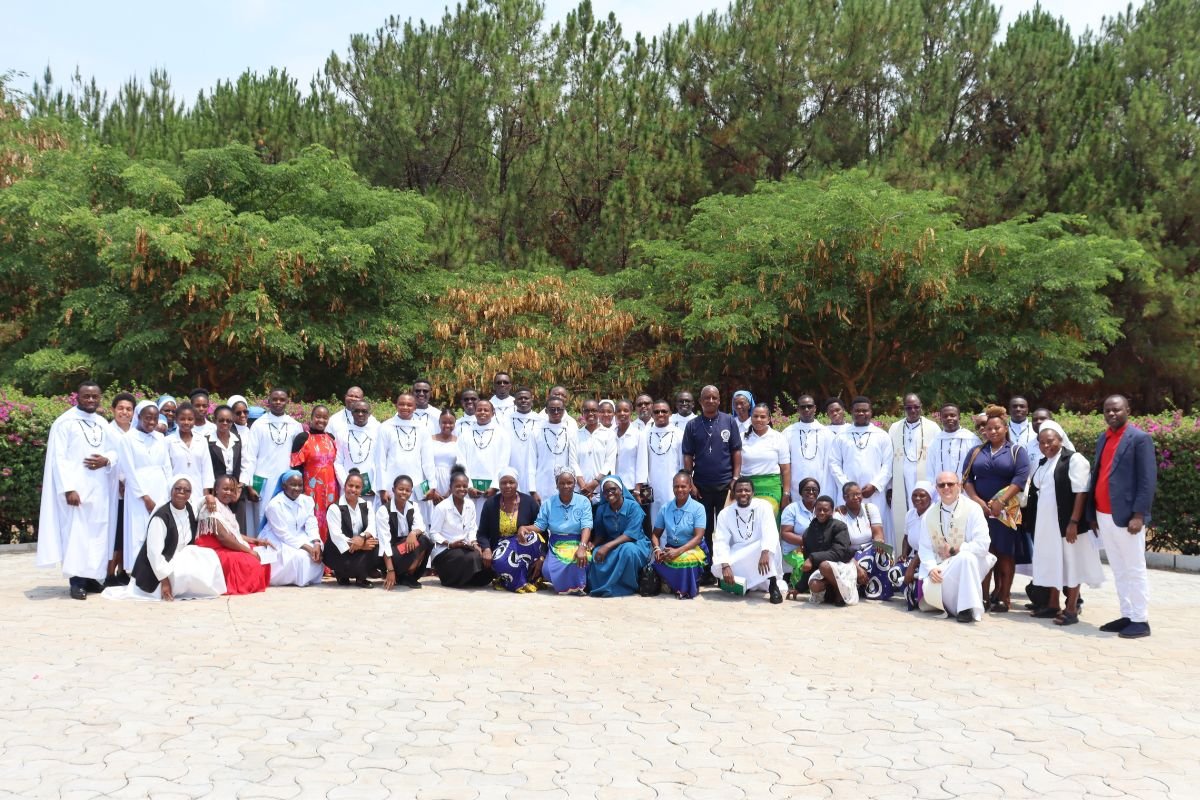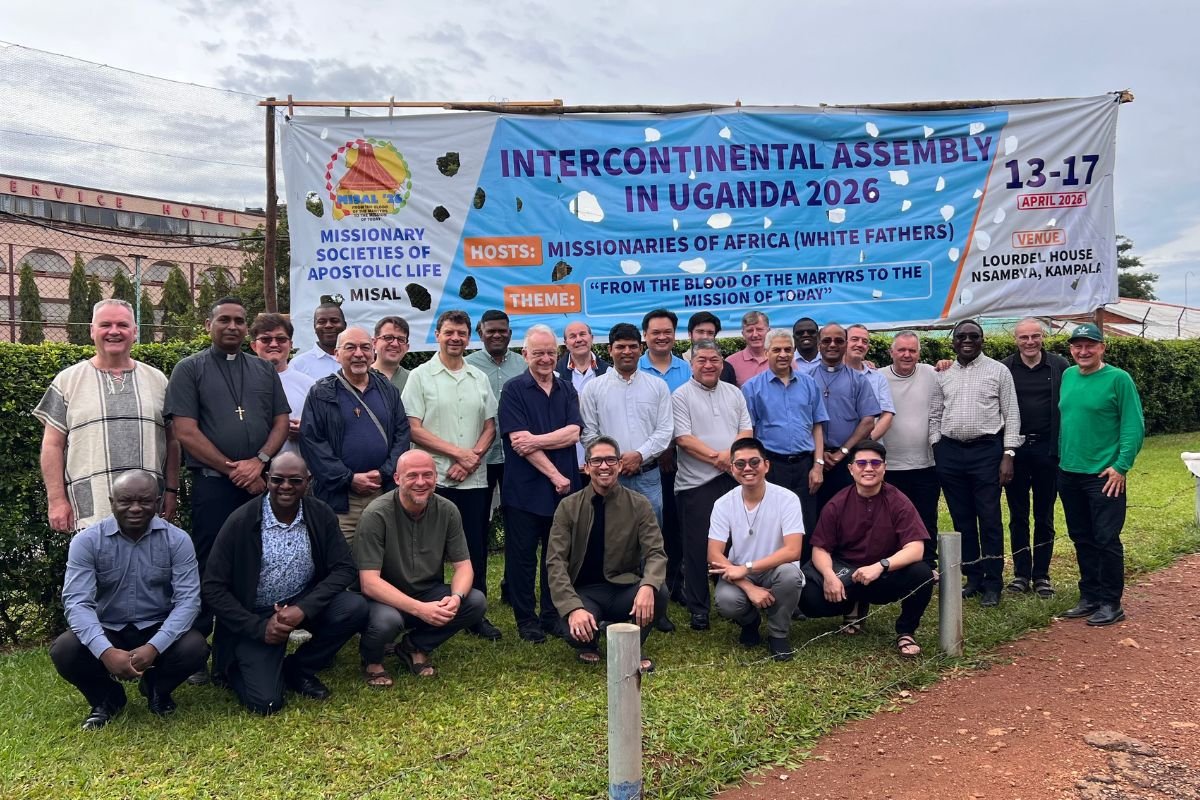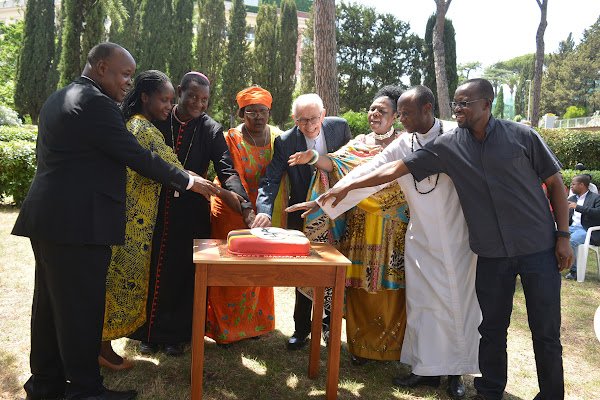
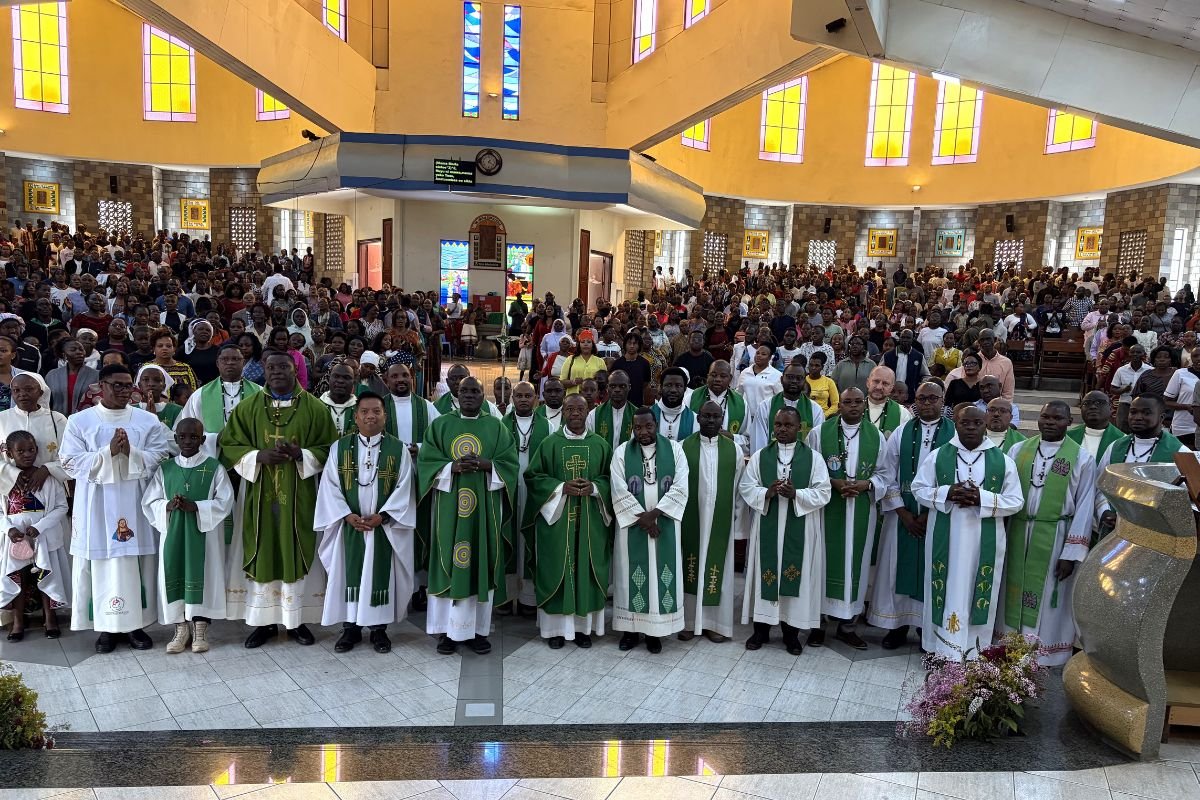
From 23 August to 13 September 2026, twenty-three Missionaries of Africa priests gathered in Nairobi, Kenya, for the Second Term Confreres Session. Facilitated by Fr. Olivier Soma and Fr. Yago Abeledo, the session brought together confreres from the following Provinces: Maghreb, Ghana-Nigeria, PAO, PAC, EAP, PEP, SAP and EPO. It was a privileged time for fraternity, reflection and renewal, during which we also felt the support of the entire Society, both through the message addressed to us by the Superior General, Fr. Stanley Lubungo, and through the visit of the EAP leadership.
Spiritual life
The session began with a day of recollection guided by the theme ‘Taking a new look at my life’. The theme of the recollection was an invitation for us to give meaning to, take ownership of, and learn from our experiences in mission. Fr. Oliver Soma, who led the recollection, encouraged us to reflect on our missionary call, ministry and choices through a series of questions. This set the tone for our three-week session, focusing particularly on listening to and sharing our missionary experiences.
The session was also shaped by daily communal prayers and Eucharistic celebrations, during which we integrated our experiences shared over the course of these days of encounter.
Sharing and listening
During the first five days after the recollection, we had the opportunity to share our personal experiences from the past seven to eight years of mission. This took place in an atmosphere of mutual trust and confidentiality. We shared our experiences of success, joy and fulfilment, as well as our challenges and difficulties. Each confrere brought a unique testimony. We learnt from each other, and these personal experiences both encouraged and challenged us. Whether in Africa or in Europe, one thing was clear: God has been present and faithful in every circumstance. By listening attentively to one another, we recognised the richness of our missionary journeys, and were reminded of the importance of being sensitive to the needs of our brothers. This mutual sharing fostered a spirit of gratitude and solidarity, strengthening our awareness that the mission is a collective endeavour sustained by God’s grace.
Input from the facilitators
Our facilitators provided valuable insights and encouragement regarding important aspects of our human and missionary lives. Their contributions covered the following topics:
3.1 Community life and its dynamics
This input helped us to rediscover the joy and responsibility of living together fraternally, and to remember that our communities are both human and divine. It challenged us to change our mindset and to accept and respect all community members, whether new or longtime members, and to be inclusive and considerate towards them all.
3.2 Conflict transformation
This important topic provided us with tools to approach differences constructively and build peaceful communities. It taught us that conflicts are a normal part of human life. Therefore, when conflicts arise in the community, we should not ignore them. Instead, we should find healthy ways to resolve them in order to build stronger, healthier communities. We were challenged to address the ‘elephants in the room’ in our own communities and in our Society at large. These ‘elephants’ are obvious problems and difficult truths that everyone knows about, but which we choose to ignore or avoid discussing.
3.3 Affective and sexual maturity
As consecrated people, we are called to embrace our human growth with integrity and responsibility. We all carry a sexual story shaped by our family, cultural, faith and personal experiences. Our vocation requires us to establish and respect boundaries that safeguard our dignity and freedom. Rather than walls of fear, these boundaries should be lines of respect, protecting us and the integrity of our ministry. Our choice of celibacy is not a denial of sexuality, but rather a radical self-offering to God.
3.4 Self-care
This is key to our ministry, reminding us to cultivate a healthy balance amidst our demanding work. Self-care is an integral part of our lives, our ministry and our vocation. Although others can contribute to our well-being, ultimately it is our individual responsibility. Self-care is broad and holistic, involving physical, emotional/psychological, spiritual, intellectual and social dimensions.
3.5 Addictions
Based on real-life experiences and facts, this was a strong call to avoid alcohol and substance abuse because of the negative consequences for us personally and for our ministry. We were given tools to help us identify the red flags and early signs of alcoholism or substance abuse.
3.6 JPIC-ED
Our confreres, Fr. Fidele Macharia and Fr. Theobald Muchunguzi, shared their respective experiences with us. Fr. Fidele spoke about Dialogue and Encounter in Tarasa, Malindi diocese, while Fr. Theobald shared about Justice and Peace in Nairobi and the Kenyan Sector. It was encouraging to see the efforts our confreres are making in this ministry through various activities, such as peace-building in Tarasa, the work of the social welfare office in Our Lady Queen of Peace Parish and the prison ministry, among others.
3.7 Mission as prophetic witness
In his presentation, our confrere Fr. Dave Sullivan challenged us to be consistent, coherent and authentic in our ministry if we are to be prophetic Missionaries of Africa. We are called to let our whole lives reflect the Good News of the Gospel, and to be people who embody that Good News. He invited us to ‘fan into flame the gifts of God’ (2 Tim. 1:6).
3.8 Resource management and the finances of the Society
Fr. John Itaru, our Treasurer General, provided us with a clear overview of the current financial situation within the Society. We really appreciated his presentation, which provided many of us with a clear understanding of the financial status of our Society for the first time. This clear information should be shared with confreres in various Provinces and Sectors to help them understand important financial decisions taken by the Society. We were called to be aware that we are all involved in the finances of the Society.
All these themes encouraged us to view our lives differently as an opportunity for growth and to prepare for the future with hope rather than getting stuck in the past. The facilitators reminded us that missionary life is not static. It requires constant conversion, discernment, and renewal.
Informal interaction and relaxation
Despite the intense programme, we also had time to relax. We used this opportunity to visit our confreres in Our Lady Queen of Peace parish, the Fourth Phase Formation House in Balozi, and the Bethany Centre in the Ngong diocese. At Bethany Centre, we learnt more about the centre’s work and the support it provides to people in need of renewal. We also visited St Austin’s Cemetery, where we prayed for our confreres who are buried there.
This three-week session was a time of grace and renewal, offering moments of human formation and spiritual encounters with God. This was made possible through contributions from each participant and the wisdom of our facilitators. We rediscovered the importance of gratitude and recognising God’s presence in joyful moments and challenging times alike. We were challenged to pay attention to the needs of others, the problems in our communities, and the silent burdens carried by our brothers. Above all, we were encouraged to embrace the present moment with faith and approach the future with hope. As we return to our respective places of mission, we do so with renewed strength, a deeper sense of fraternity, and a clearer vision of our calling to bear witness to the Gospel with joy and perseverance.
By: Fr. Justin Ramde (M.Afr) and Fr. Patrick Sebyera (M.Afr).