
Centre for Social Concern (CfSC)
Founded in 2002 by the Missionaries of Africa, the Centre for Social Concern (CfSC) currently runs the following projects:
Social Conditions Research Program
The objectives of this program are to generate credible evidence on the cost of living and the state of household welfare in Malawi. It supports evidence-based advocacy, social accountability and policy engagement aimed at improving the livelihood of Malawian households especially the poor and vulnerable. It is implemented through two complementary projects: Urban Basic Needs Basket (Urban BNB) and Rural Basic Needs Basket (Rural BNB)
Together these projects provide a comprehensive picture of the cost of living and household wellbeing across both urban and rural settings.
The Urban BNB which is done on monthly basis, covers four major cities: Lilongwe, Blantyre, Mzuzu and Zomba. The Rural BNB which is done on quarterly basis, currently operates only in two districts: Nkhotakota and Chikwawa.
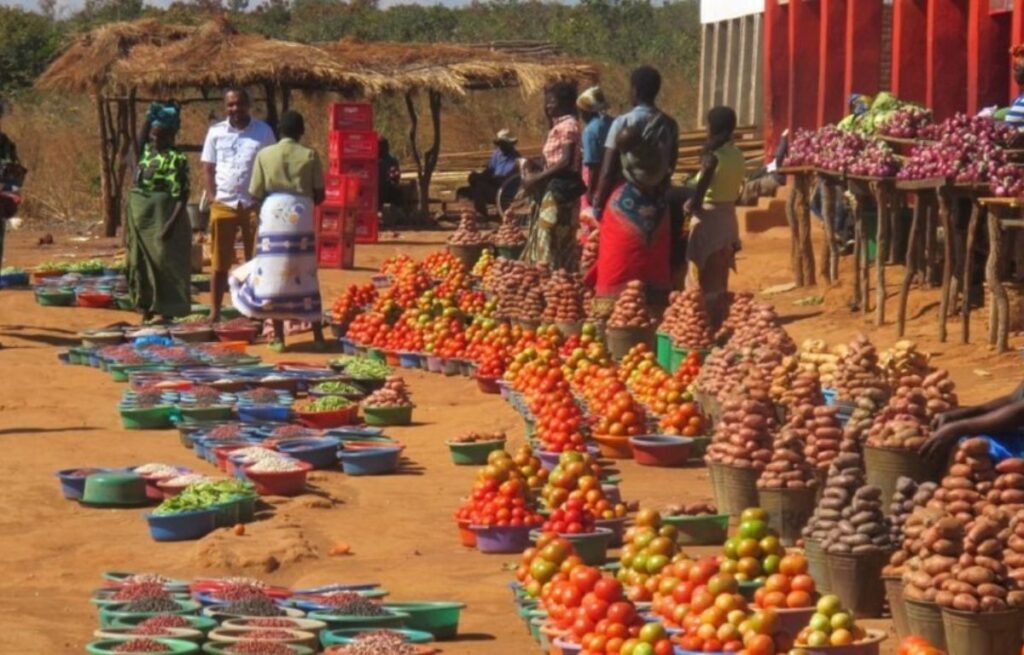
The Urban BNB monitors the cost of living by tracking prices of essential goods and services that form a standard household consumption basket. Key activities include Market Price Monitoring and Household Expenditure Surveys. The first activity is used to access trends in the cost of living and purchasing power of urban households whereas the second provides a holistic picture of urban household expenditure.
Inter-Religious Dialogue (IRD)/ Conflict Management Project
The Inter-Religious Dialogue Project is one of the pillars of the Centre for Social Concern. The design of the project was intended to prevent and diffuse conflict situations and promote tolerance and peaceful coexistence among faith groups in Malawi. It aims at directly addressing the root causes of division and fostering dialogue, understanding and respect among ethno-religious and political groups in Malawi.
Coordinated from Lilongwe, the IRD activities are implemented in selected districts across the country (Balaka, Lilongwe, Machinga, Nkhata Bay, Chiradzulu, Rumphi, Salima and Zomba) following the need for intervention.
Economic Justice Program
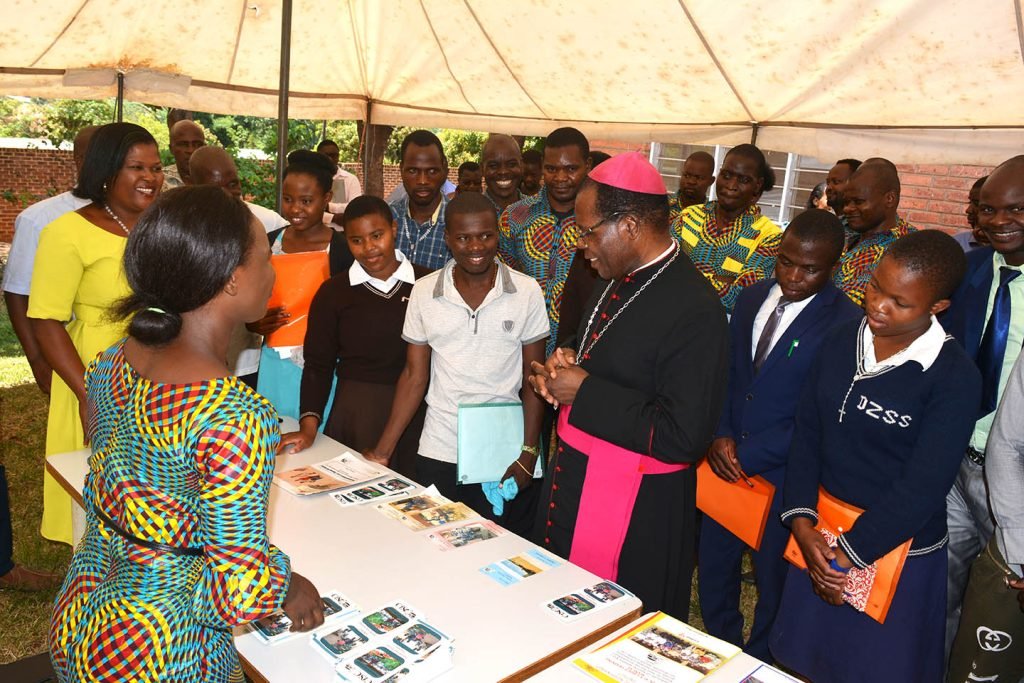
This program is designed to promote accountability, transparency and improve service delivery through citizen engagement and evidence-based advocacy. It recognizes that many communities continue to experience gaps in development despite the presence of public investments and government projects. As such the initiative seeks to empower citizens to actively participate in monitoring public resources and development projects while strengthening dialogue between communities and duty bearers. It also focuses on building the capacity of Action Groups (CAGs) so that they can actively track development projects, collect evidence and advocate for improve service delivery. The program is currently being implemented in Mangochi, Phalombe and Zomba districts where communities face persistent challenges related to infrastructure, health services, education facilities, water supply and other essential public services.
Computer Laboratory
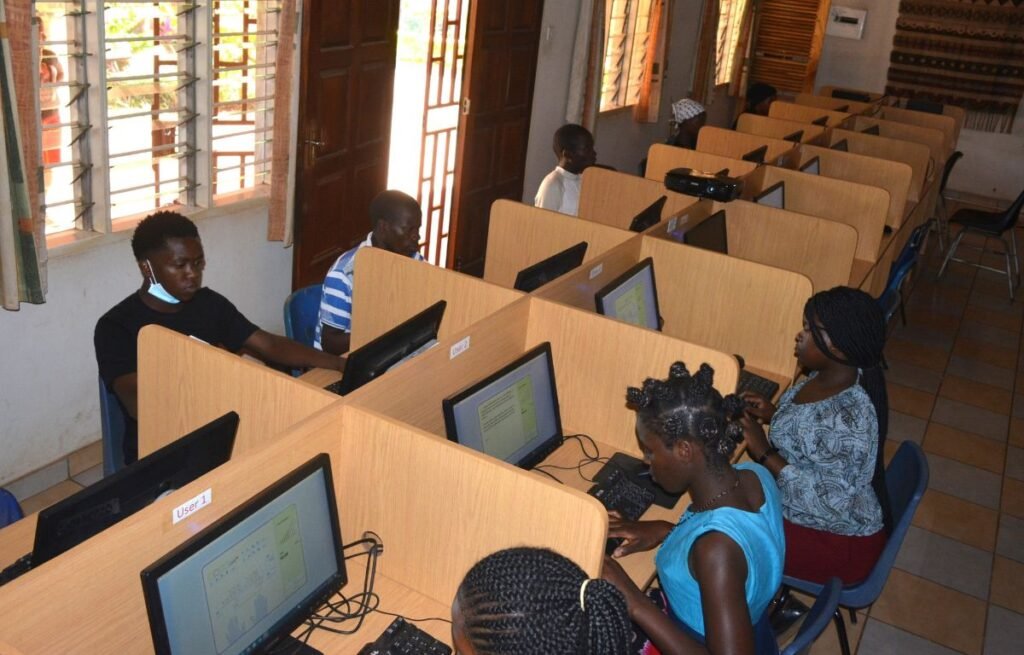
The Centre for Social Concern has a little computer laboratory which was started in 2021 with funds from the Washington Project. This program trains students in basic computer knowledge such as Microsoft Word, Microsoft PowerPoint and Microsoft Excel. The goal of the project is to give students the real knowledge on how to operate the computer on their own. The response of the students to this program has so far been great.
Library
The library is one of the greatest services that the Centre renders to the local community of Area 25 (Kanengo) and in its neighborhoods. Established in 2002 and enlarged in 2011, over fifteen secondary schools of the area (most of which do not have a library) benefit from its services. Our objective is to assist the people surrounding the Centre with not only a serene and conducive environment for studies but also to provide access to good and affordable reading materials. Depending on the season of the year, the library welcomes between one hundred twenty to one hundred eighty students daily. It has proven to have a positive impact on students’ performance and achievement.
The library comprises two sections, one of which is specifically composed of a collection of books offered by our late confrere Bishop Patrick Kalilombe.
Website:https://www.cfscmafr.org/