
One of the fundamental aspects of our missionary charism is expressed in terms of “Mission and evangelisation.” Our founder, Cardinal Charles Lavigerie, wanted us to be missionaries ad extra, that is, beyond the geographical borders of our countries and outside our cultures of origin. He also wanted this mission to be a missio ad gentes, that is, primarily directed towards our African brothers and sisters and the African world, who have not (or have only rarely) heard the Good News of the Gospel. This aspect of our charism has always held a special appeal for me. I admired the missionaries who came from elsewhere and learned not only our languages but also our cultures, striving to live as simply as possible. This simple lifestyle was reflected in the way they connected with people, the local food they ate, and their “safaris” on rough roads…
Following my ordination, I was assigned to Mozambique, serving at the parish of Nossa Senhora das Reliquias in Sussundenga, part of the Diocese of Chimoio. This semi-rural community reflects our charism, whether through primary or new evangelisation efforts. My time there profoundly influenced my future missionary work.
After immersing myself in the local languages and culture, I started visiting Christian communities. I observed that, thanks to dedicated missionaries over decades, Christianity had already flourished in these areas. Based on my experiences, I am convinced that the local Churches where we are involved are crucial not only for sharing the faith but also for fostering peace, solidarity, and holistic human development. Despite significant economic, political, and social challenges, our Christian communities remain true “seeds of hope” for the people.
I was pleased to see the Gospel message warmly received by simple people who truly value our missionary work. They accept the Gospel with enthusiasm and sincerity. The community gatherings were not only opportunities for catechesis and spiritual growth but also occasions to promote peace, fellowship, and solidarity. I sensed that we are all part of one large Christian family, united by our shared Father, God.
In most of our missions, Christians receive the Gospel as good news that offers life, hope, and human dignity. Confronted with poverty, illness, and injustice, many find spiritual strength in God’s Word to endure their struggles. Christ accompanies His people through daily hardships, making the Gospel a tangible experience of salvation and divine presence. As a result, the Gospel is seen as the main source of Christian hope that never fails (Rom 5:5).
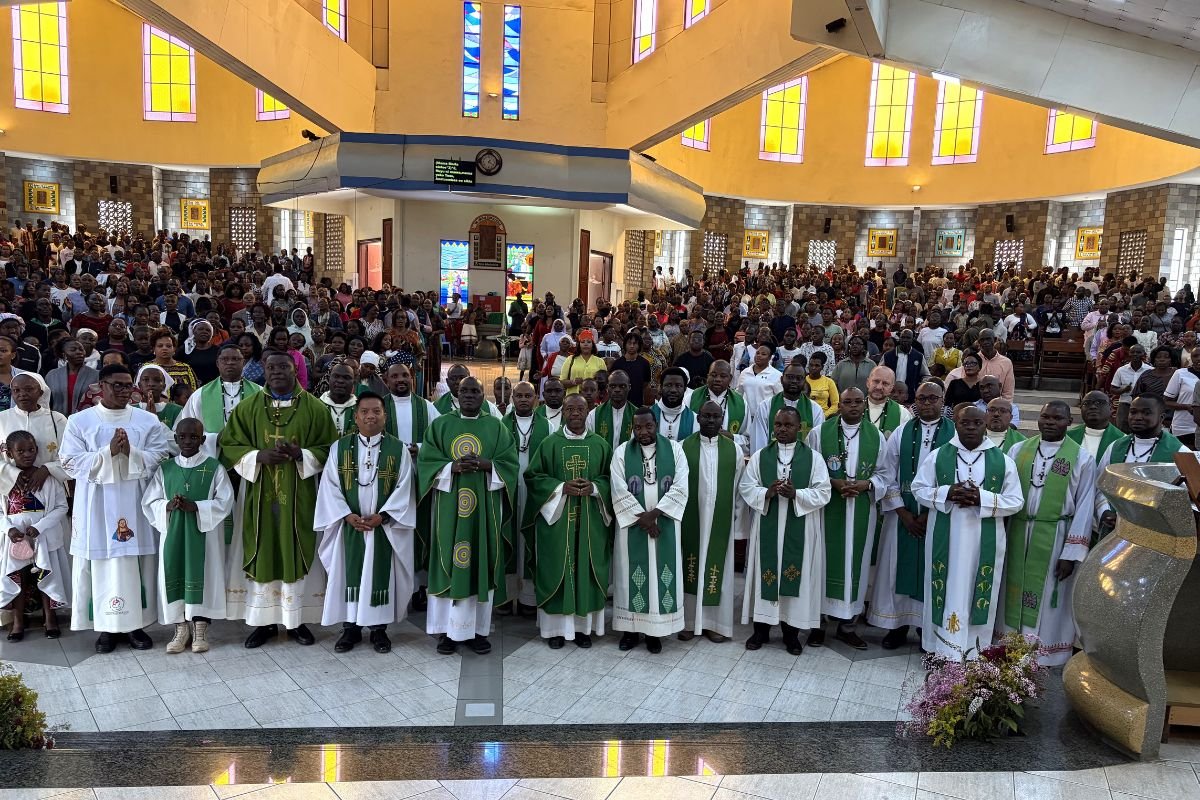
Every visit to the parish’s remote areas turns into a special event, with people stopping their activities to gather around the priest and listen to his message. The message is embraced as good news, serving as a call to oppose all forms of exclusion and foster brotherhood. Prayer moments are lively and participatory. Faith is expressed with sincerity, sustained by hope in God’s active presence in their history. People sing, dance, and rejoice in their local languages, momentarily forgetting life’s hardships because they believe in something greater through God. Liturgical celebrations foster unity, joy, and community, reflecting a faith that, while sometimes naive, remains vibrant. In fact, many Christians see faith as an integral part of their cultural identity.
Our parishes’ structures facilitate living out our faith through small Christian communities, committees, or groups. My experience in the formation house confirms that small teams foster stronger fraternal bonds and mutual understanding. This is also evident in our parishes, where groups promote such closeness. Small communities serve as vital spaces of mutual support: members help each other during times of need, whether celebrating joys like weddings, sacraments, and parish festivals, or facing sorrows such as funerals and illness. Some groups visit the sick, support struggling families, assist children from broken homes, and care for the elderly. Overall, the Gospel is expressed through everyday relationships of closeness and support.
Local Churches as Agents of Social Hope
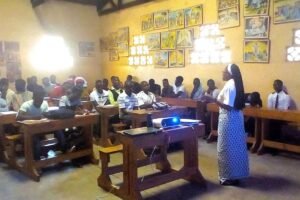
Generally, local churches in Africa serve a significant social function alongside their spiritual role. They are central to education, health, and human dignity efforts, focusing on overall well-being. Schools, hospitals, and Church-established charitable initiatives are vital components of social progress.
Challenges and Prospects
Local churches in Africa are vibrant but encounter significant struggles, chiefly ongoing poverty. Every day, destitute individuals arrive seeking aid for their families. Unemployment among youth is high, leading some into violence, drug abuse, and other negative influences. The appeal of material wealth prompts some young people to enter politics early, hoping to gain better opportunities. The Church also faces issues such as armed conflicts, urban violence, syncretism, challenges in pastoral training, and resource scarcity.
Despite this bleak picture of hardship, challenges of any kind and at any scale do not in any way destroy the hope of our African communities, who firmly believe that Jesus Christ is the ultimate answer to our many questions. These challenges push our communities to reinvent themselves and to build themselves up more and more on the person of Christ. We must not forget that the very future of the Church is largely at stake in Africa.
By: Richard Ujwigowa B., M.Afr.